
Architecture,
before it is built.
A model is architecture in its earliest form — and often its most fleeting.
In time a model is broken down, it wears, it is lost. I preserve that form as it is — its scale and the grain of its materials intact — bringing to the model that has yet to rise the same regard I bring to a finished building.
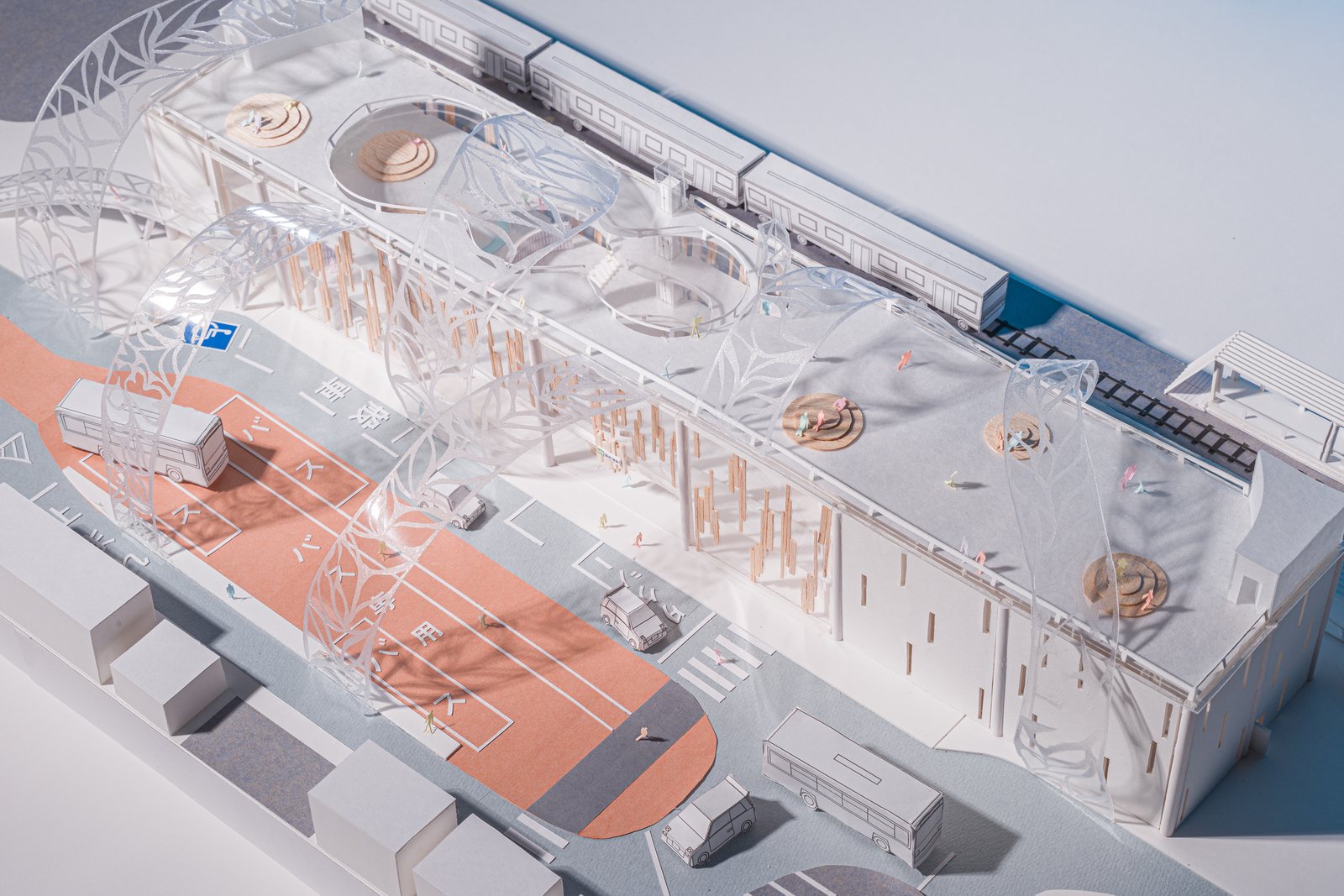
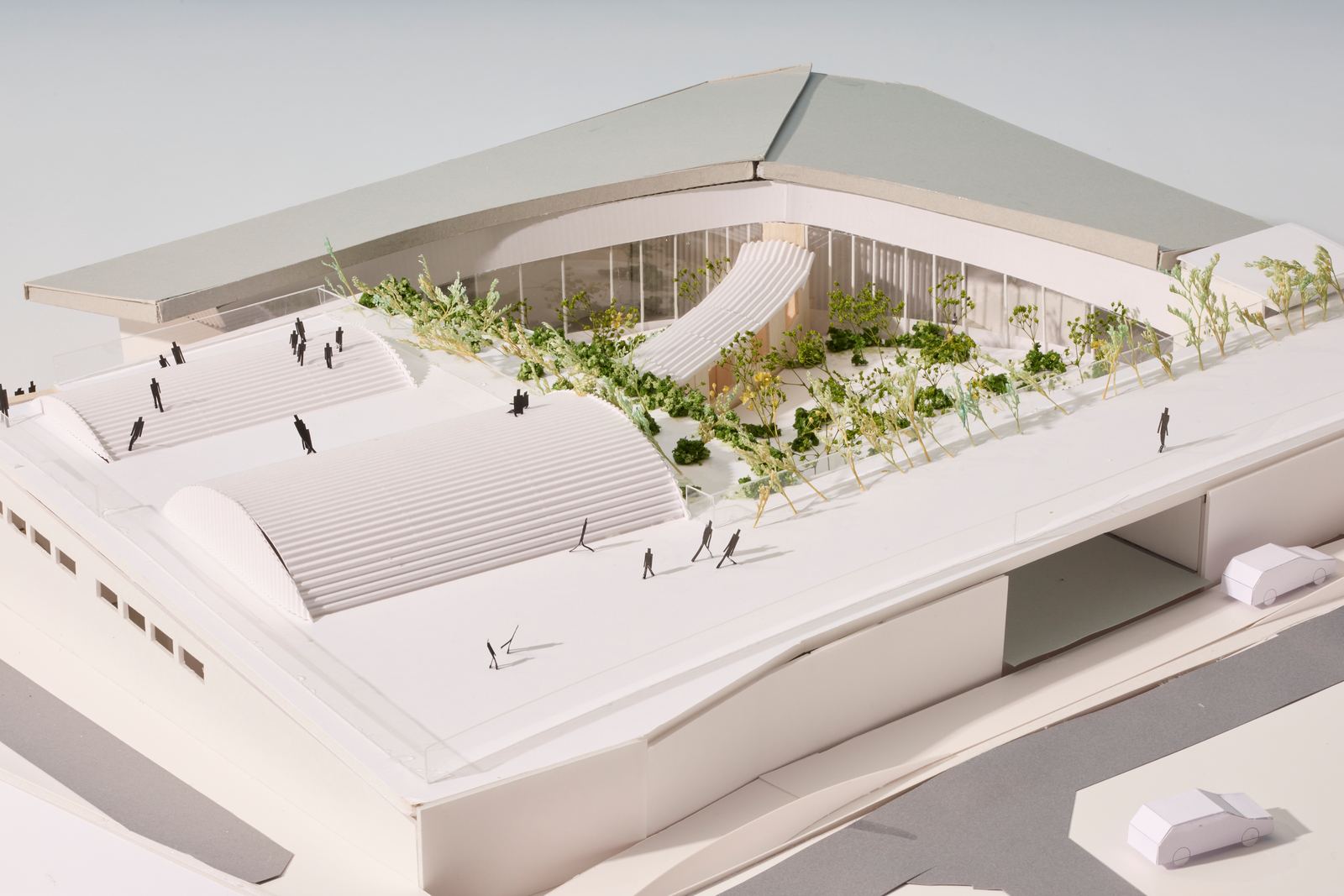
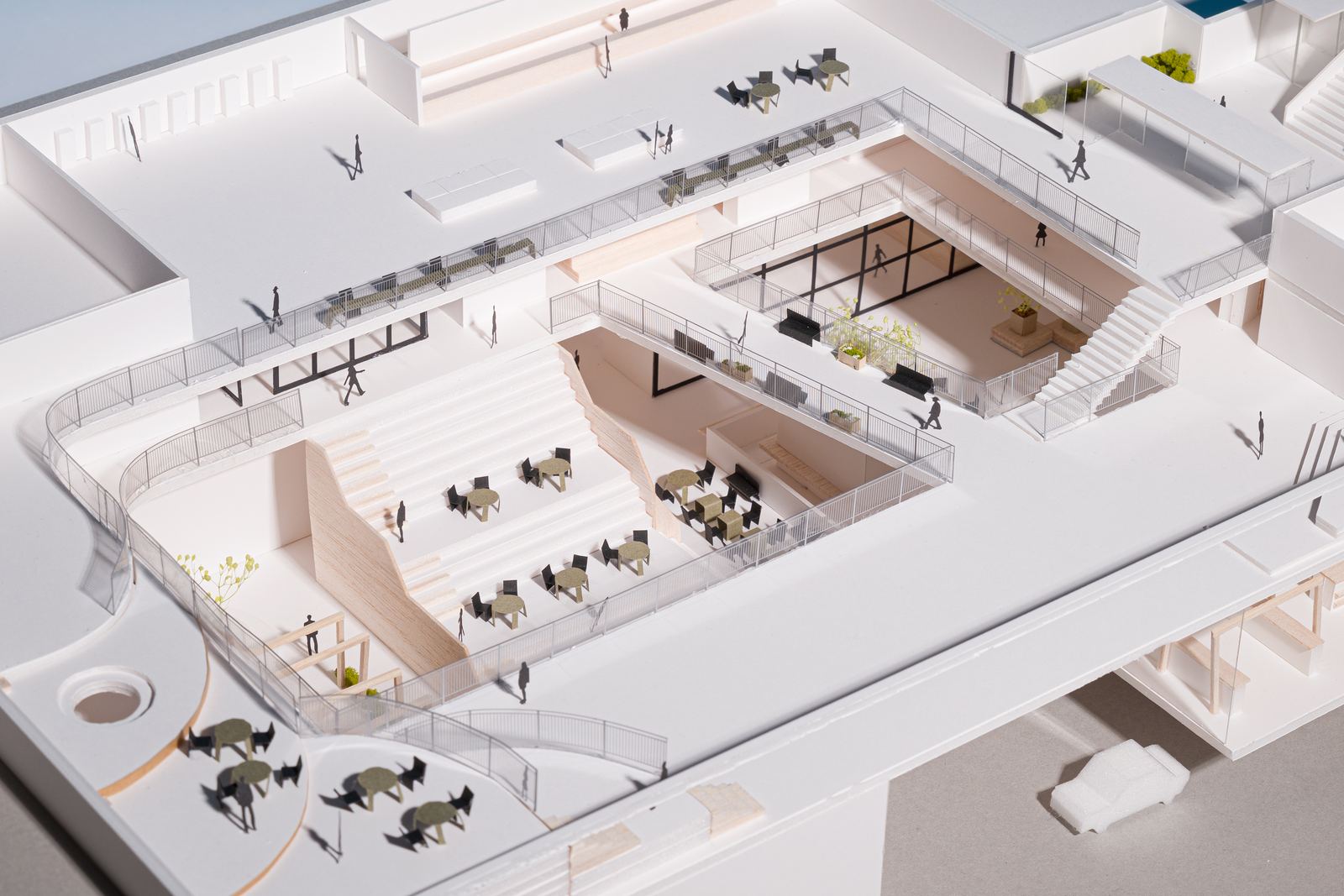
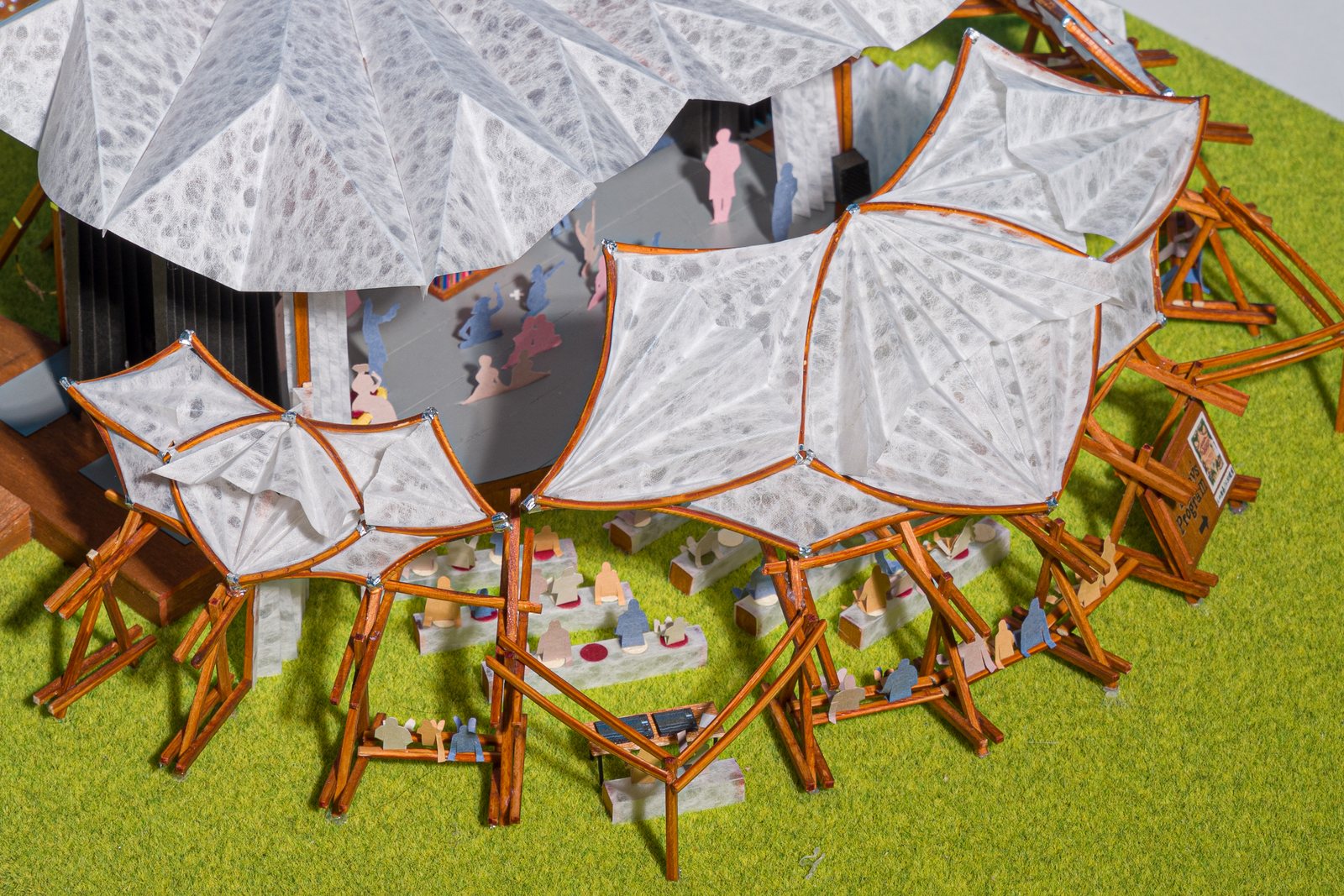
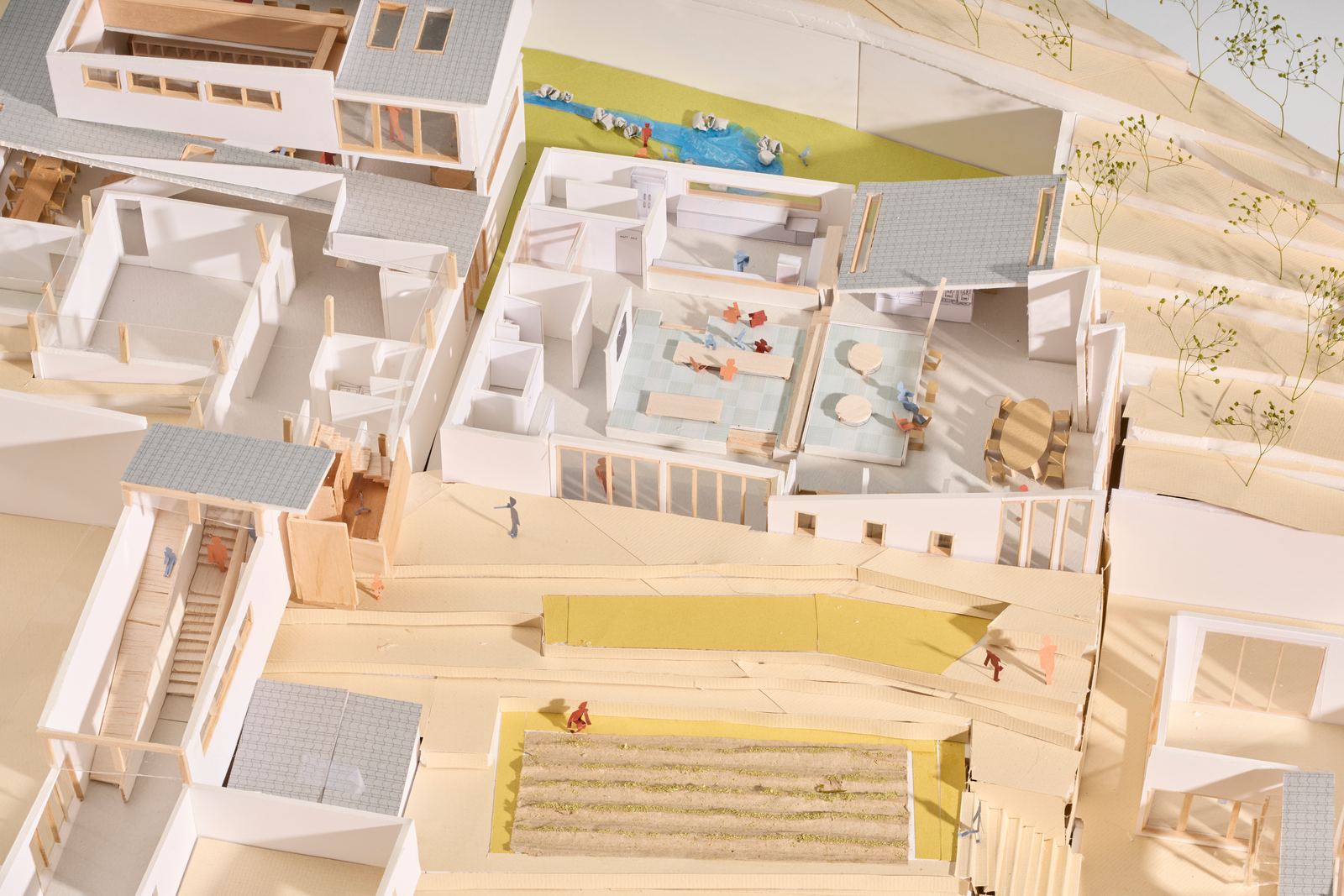
Through controlled lighting and a careful command of depth of field, in studio or on location, I photograph physical models for competitions, monographs, the press and academic archives. Background treatment and compositing are available where a clean presentation is required, and both overall views and close details are delivered so the idea reads as clearly as the object.
Frequently asked questions — FAQ
The choice of viewpoint, light, and depth of field decides how faithfully — and how lastingly — the architecture held within the model is preserved. Its scale and its materials are kept intact, the form held in a single frame. The difference shows most when the photographs are meant to be seen by others, and to outlast the model itself — in competitions, monographs, and the press.
Yes. I shoot for competitions, graduation projects, monographs, and the press — at high resolution, with images that hold up in print.
Both. Models can be photographed in the studio, or I can come to your office or institution — whichever suits the model and your schedule.
Yes. I take on annual model shoots for architecture schools, and ongoing documentation for design practices.
A model does not survive.
A presentation model is built for a moment: a competition deadline, a client meeting, a review. Afterwards it is dismantled, stored badly, knocked, or thrown out. Whatever the building becomes, the model that argued for it rarely survives for a decade. The photograph is what remains of the proposal as it was made.
That is why I treat model work as documentation rather than as product photography. The purpose is not to flatter the object but to record what it was arguing — the massing, the section, the relationship between parts. If it reads as a model rather than as a building, the record has failed.
Light is not waited for. It is built.
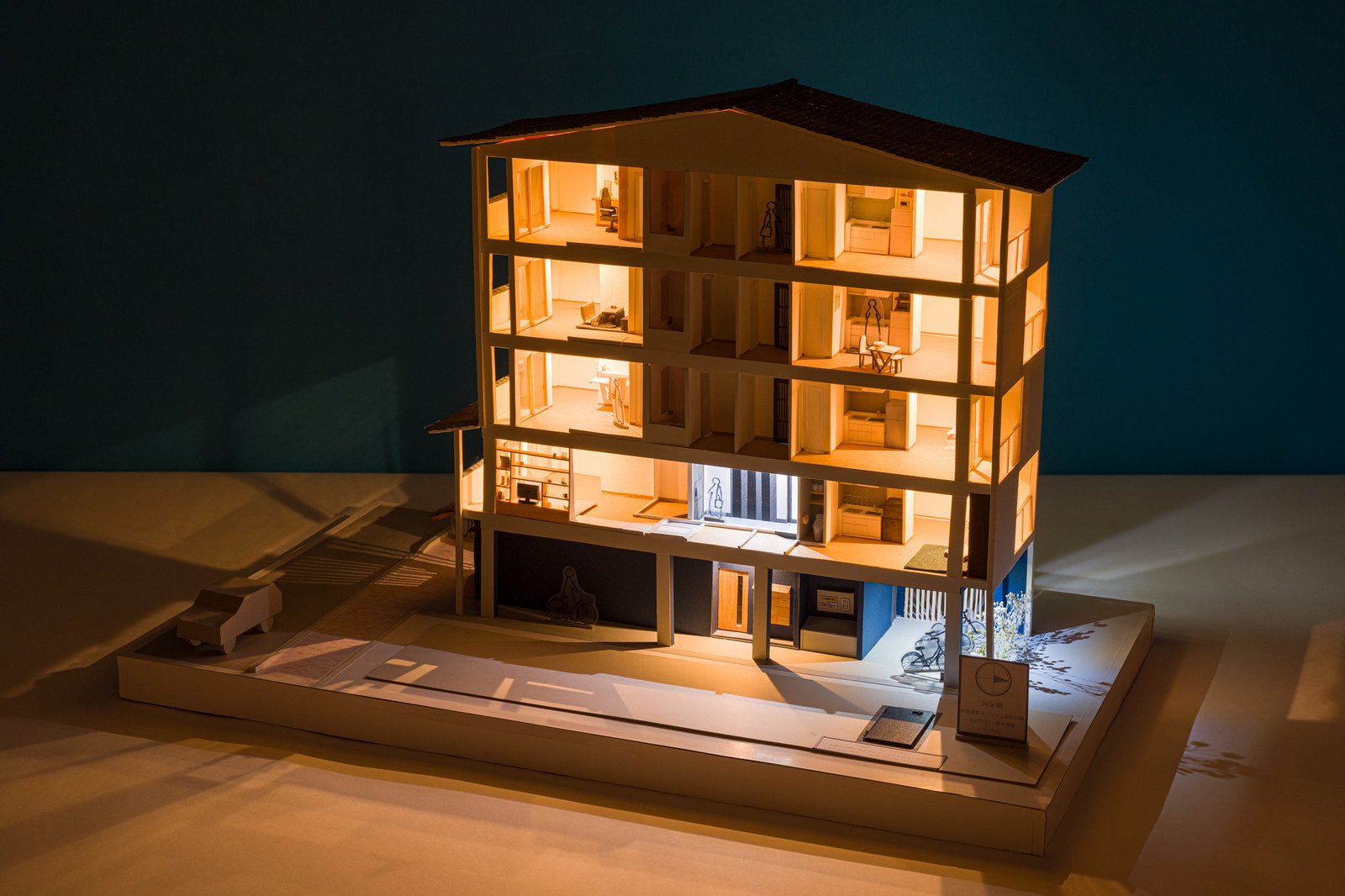
This is the one respect in which model work differs completely from photographing buildings. There is no hour to wait for and no orientation to read. Everything the model will show is decided by where the light is placed, which makes lighting the same decision as editing.
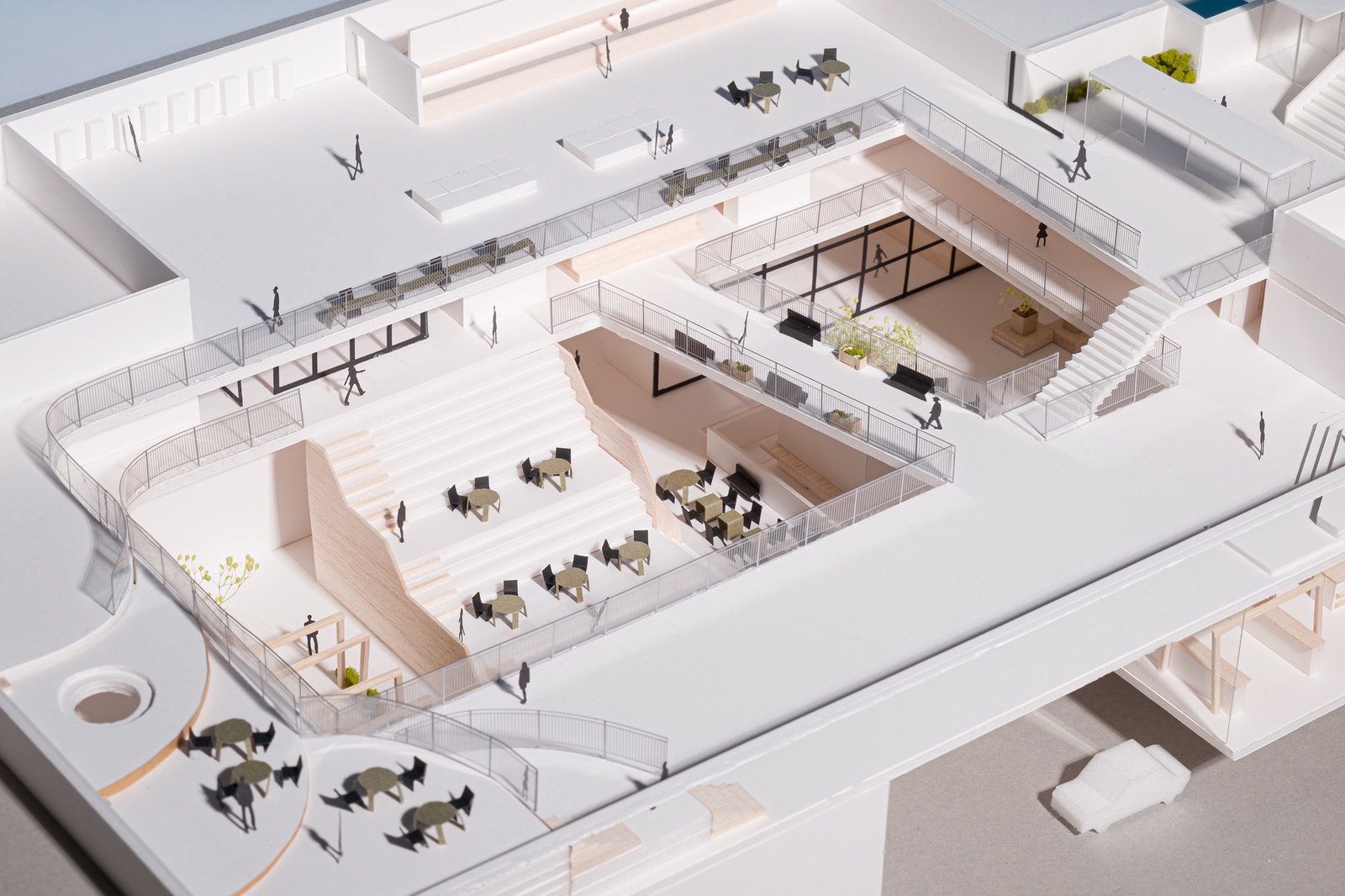
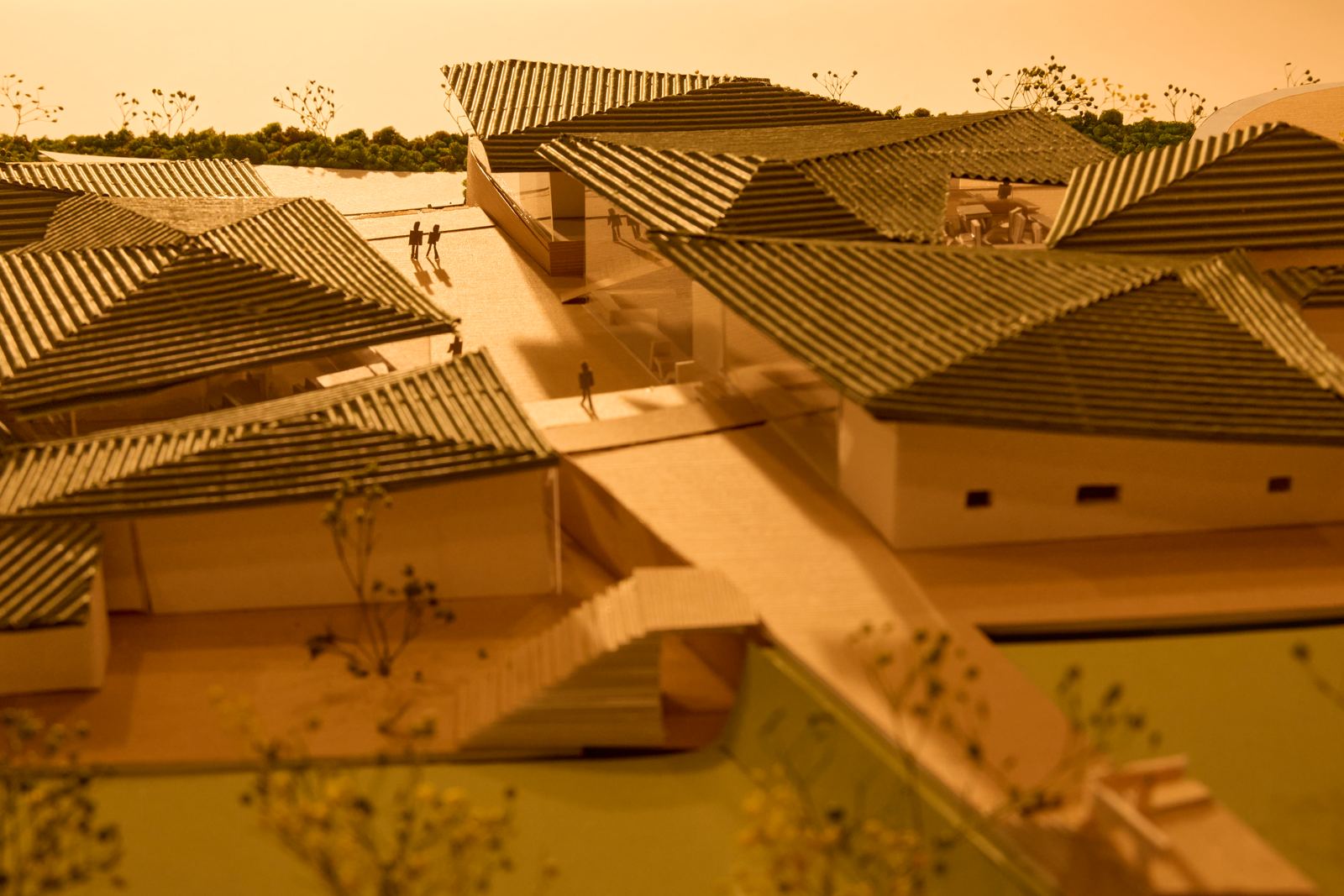
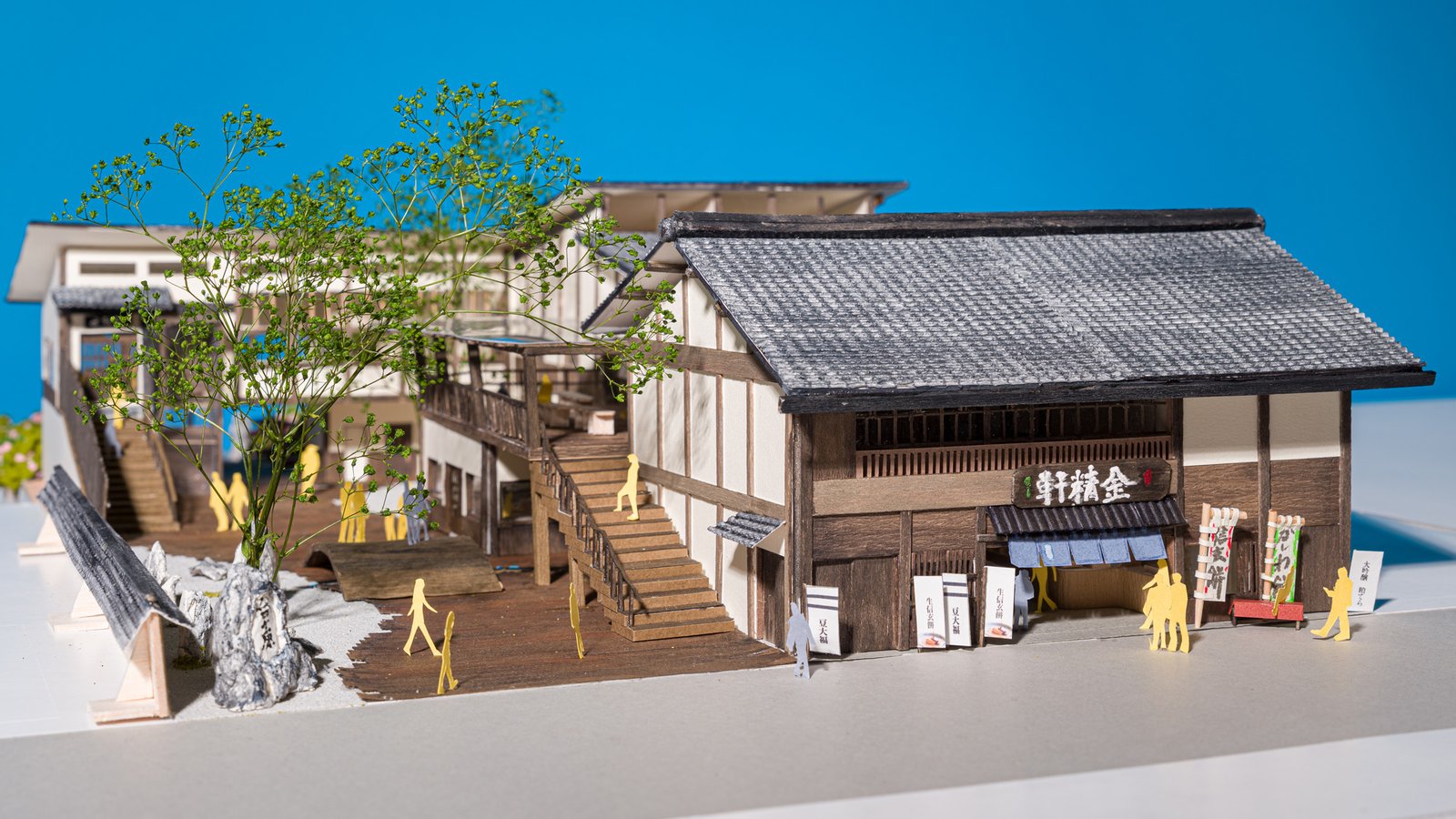
Faces are separated in tone so that overlapping volumes stay legible, and some planes are deliberately allowed to fall away — lighting a model evenly destroys any sense of scale and exposes the thinness of the material. On an all-white model the tonal difference between planes becomes the outline of the architecture itself, so the background is held a step darker to keep the silhouette from dissolving. On a timber model the light is kept soft enough that the grain does not sink, but directional enough that shadow still catches on the cut faces of the members.
Depth of field is set so that the model reads at building scale rather than at desk scale. Where a clean background or a composite is wanted, that is arranged in advance rather than improvised.
Models, and what they are for.
- Presentation models
- Study models and section models
- Competition entries
- Conceptual and all-white models
- Traditional timber and heritage models
- Annual documentation of student work for schools of architecture
- In studio, or on location at your office or institution
- Background treatment and compositing (optional)
- High-resolution files that hold up in print and in submissions
Competition submissions, monographs, press, teaching records and internal archives are all served by the same files. Fees are quoted by scale and by the number of models; the pricing page gives the basis.
The same project, twice.
Where a practice commissions both, the model and the finished building can be photographed to one consistent standard — the same treatment of verticals, the same colour handling, the same approach to material. Placed side by side in a monograph or an awards submission, the pair reads as one argument carried through rather than as two unrelated shoots.